Here is a plant in the genus Oxalis in the shade:

And here is the same kind of plant in the sun:

Can you tell me what is happening here?


 Great work, guys!!
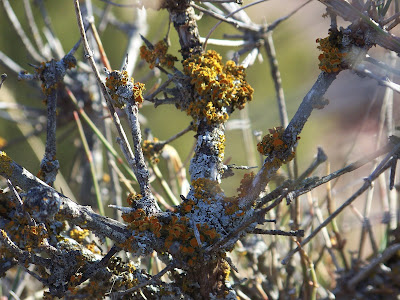 What is it? What kingdom is it from?
 Whoa!! What is that?!!? The Blob? Maybe you need a bigger picture to figure it out...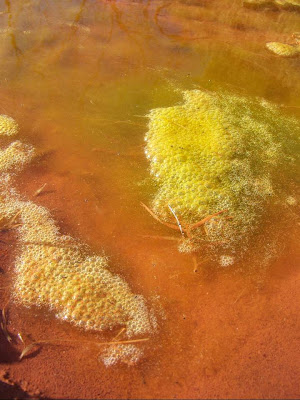


2. Use the widget from dosomething.org to find something reasonable that you can do, today, to do something about your issue. There are a lot to choose from.
3. Start a new page in your science journal ("Ch. 18 The Issues") and describe your issue - what has caused it, what is the overall goal we need to reach to resolve this issue and then tell me something that you can realistically do (for example, if acid rain is my issue, then my overall goal might be to cut down on putting chemicals in the air, and what I can do is something more specific that will help achieve that goal. And no, you can't use what I just said for your entry! :) ). Don't forget to draw a picture!

"The relaxation response brings your system back into balance: deepening your breathing, reducing stress hormones, slowing down your heart rate and blood pressure, and relaxing your muscles.
In addition to its calming physical effects, research shows that the
relaxation response also increases energy and focus, combats illness, relieves aches and pains, heightens problem-solving abilities, and boosts motivation and productivity. Best of all – with a little practice – anyone can reap these benefits. "
Scientists also predict the following changes:
 1. Replace a regular incandescent light bulb with a compact fluorescent light bulb (cfl).
CFLs use 60% less energy than a regular bulb. This simple switch will save
about 300 pounds of carbon dioxide a year. If every family in the U.S. made
the switch, we’d reduce carbon dioxide by more than 90 billion pounds! You
can purchase CFLs online from the Energy Federation.
 2. Move your thermostat down 2 degrees in winter and up 2 degrees in summer. Almost half of the energy we use in our homes goes to heating and cooling. You could save about 2,000 pounds of carbon dioxide a year with this simple adjustment. The American Council for an Energy Efficient Economy has more tips for saving energy on heating and cooling.
4. Use less hot water. It takes a lot of energy to heat water. You can use less hot water by installing a low flow showerhead (350 pounds of carbon dioxide saved per year) and washing your clothes in cold or warm water (500 pounds saved per year) instead of hot.
 5. Use a clothesline instead of a dryer whenever possible. You can save 700 pounds of carbon dioxide when you air dry your clothes for 6 months out of the year.
 7. Unplug electronics from the wall when you’re not using them. Even when turned off, things like hairdryers, cell phone chargers and televisions use energy. In fact, the energy used to keep display clocks lit and memory chips working accounts for 5 percent of total domestic energy consumption and spews 18 million tons of carbon into the atmosphere every year!
 12. Buy fresh foods instead of frozen. Frozen food uses 10 times more energy to produce.


What all of this means is that it's not hard to find some part of science that you like, even if science itself is not your favorite subject. And what that means, is that when you start thinking about careers and fields of study outside of high school, organizations that are closely related to science, (like NASA, museums, chemical companies, etc.) depend on a really wide range of people with wide ranges of interests and skills to meet the goals they have for their organization. It also means that almost any job you choose is going to involve science, one way or another.
So next time you are in science class and you start to think about saying that "you're never going to use this" - think again. Science is everywhere, my friends, and there's no escaping it! :)
"When we try to pick out anything by itself, we find it is tied to everything else in the universe. "
-John Muir (1838-1914) U. S. naturalist, explorer.


Bone Structure

Leo's Head (He's looking to the right.)
 Leo and the smoking gun. Whodunnit?


